License Plate Recognition (LPR) for Average Speed Enforcement (ASE)
Measure a vehicle’s average speed across a defined road section using time-synchronised licence-plate recognition. Create reviewable evidence records that support safer, more consistent speed-compliance operations.
Key Features
Entry and Exit Vehicle Matching
Match recognised vehicle plates at the entry and exit points of an enforcement section.
Time-Synchronised Speed Calculation
Calculate average speed from the verified distance and elapsed travel time between configured points.
Evidence Record
Combine vehicle images, recognised plate, timestamps, locations and calculated speed into a reviewable event record.
Enforcement Workflow Integration
Send verified events to compatible enforcement, case-management or reporting systems through available interfaces.
Centralised or Edge Deployment
Deploy processing at the roadside, centrally, or in a hybrid architecture according to connectivity and operational requirements.
Health and Exception Monitoring
Surface camera, communications and recognition exceptions so operators can investigate degraded performance.
Benefits
Accurate Speed
Delivers precise speed data across enforcement zones with >99% accuracy.
Enhanced Safety
Promotes safer roads by deterring excessive speeding behavior. This strengthens operational oversight and supports more consistent policy enforcement.
Lower Accident Rates
Creates predictable traffic conditions, reducing accident risk by up to 40%. This supports smoother workflows while reducing avoidable operational delays.
Improved Traffic Flow
Reduces congestion by minimizing sudden braking in monitored areas. The result is smoother traffic movement and clearer visibility for transport operators.
Fit Existing Ecosystem
Integrate with selected camera, communications and back-office environments subject to site design and validation.
Automated Reporting
Provide structured, time-stamped event records for authorised review.
Average Speed Enforcement Models
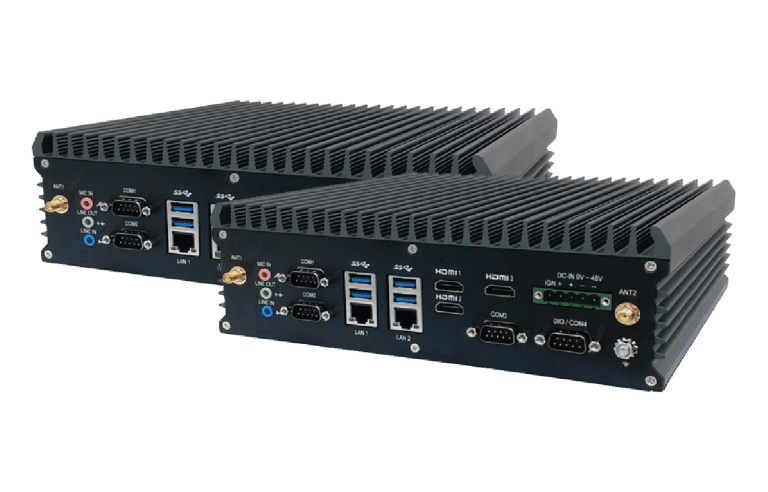
ASE-EX
Industrial-grade LPR unit with real-time on-site processing and instant third-party integration.
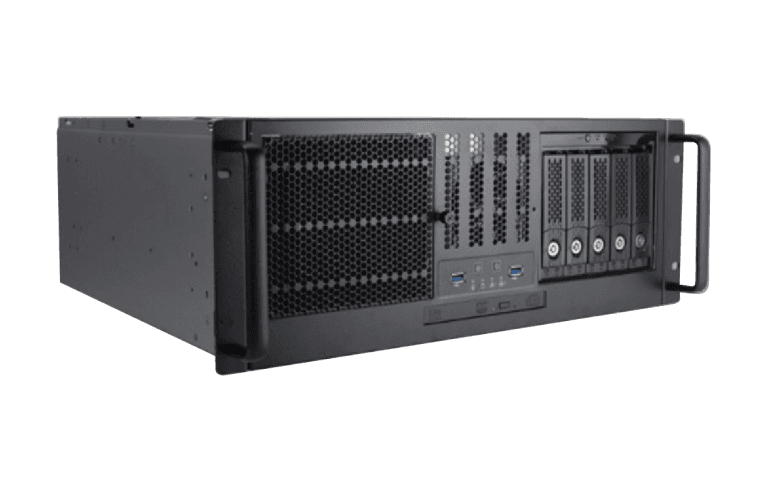
ASE-C
Rack-mounted LPR server supporting up to 10 real-time channels for large-scale deployments.
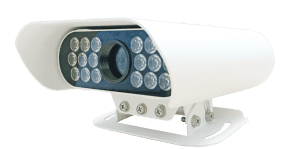
ASE-Camera
High-performance mobile LPR camera with built-in processing for field enforcement.
Series Functions
Real-Time License Plate Recognition
Vehicle matching, travel-time recording, average-speed calculation and speeding evidence.
Multi-Stream Processing
Processes up to 10 video streams simultaneously for maximum throughput.
Vehicle Classification
Automatically categorizes vehicle types for dynamic tolling and traffic insights.
Error Notification & Alarm
Sends instant alerts when system faults or recognition errors occur.
ETC System Integration
Seamlessly interfaces with existing Electronic Toll Collection infrastructure.
Web-Based Statistical Reports
Provide a central view of event volumes, locations, vehicle classes and operational trends for review and reporting.
Image Snapshot & Timestamp
Records event images with precise timestamps for complete audit trails.
ONVIF Compliant
Supports standard IP cameras and VMS platforms for easier integration with existing systems.
Understanding Average Speed Enforcement
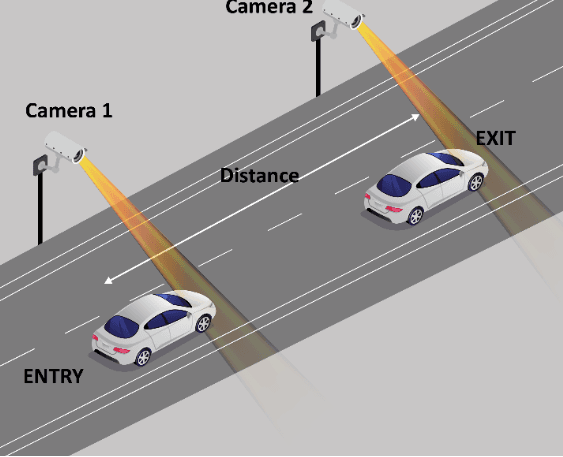
Average speed enforcement (ASE), also called section control or point-to-point (P2P) speed enforcement works by measuring the amount of time it takes the vehicle to drive between two points and then calculates the average speed of the vehicle.
The vehicle is identified through their license plate when entering the enforcement section, and again when leaving it. Match the same vehicle at two checkpoints. Calculate its average speed from the known distance and elapsed travel time. Record a violation if it exceeds the applicable speed limit.
If the vehicle’s average speed exceeded the average speed limit for the length of road, the vehicle will be categorized as overspeeding
Ready to Elevate Your Services? Request a Demo Today!
Boost your workflow with powerful tools, real-time updates, and smart analytics.